

 Deutsch
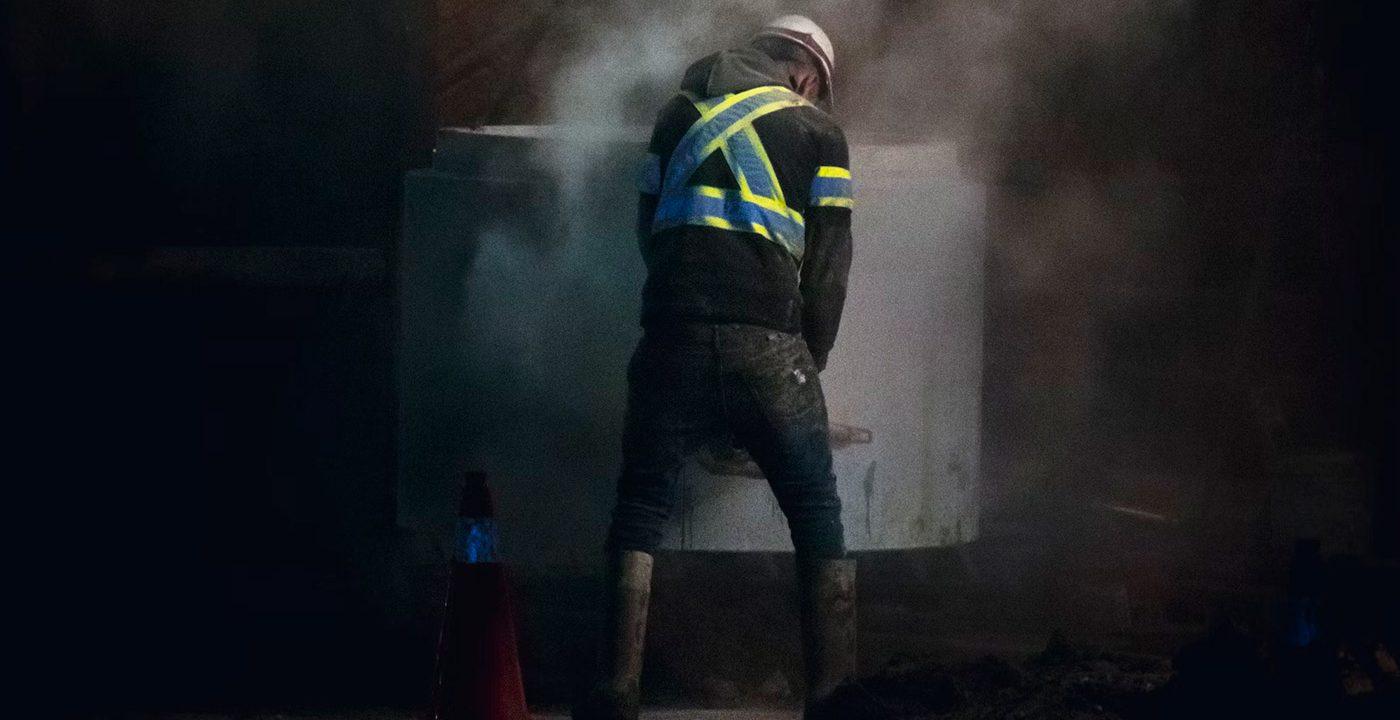
High-visibility clothing makes workers noticeable to drivers and machine operators in daylight and in the dark. In Europe the requirements are defined in EN ISO 20471. Understanding the classes helps you choose the right garment and stay compliant with your risk assessment.
Three classes, three minimum areas of material
EN ISO 20471 defines three classes based on the minimum area of visible material on a garment:
- Class 1: lowest visibility, at least 0.14 m² of fluorescent material and 0.10 m² of retroreflective material. Suitable for low-risk areas away from traffic.
- Class 2: at least 0.50 m² fluorescent and 0.13 m² retroreflective material. The most common choice for roadside work and warehouses with vehicle traffic.
- Class 3: at least 0.80 m² fluorescent and 0.20 m² retroreflective material, with sleeves or trouser legs covered. The highest protection for road works and high-speed traffic.
A hi-vis vest is often Class 2. A jacket with reflective sleeves or a two-piece combination can reach Class 3.
Colours and retroreflective tape
Fluorescent yellow, orange-red and red are the approved background colours. Retroreflective tape reflects headlight beams back towards the source and is what keeps you visible at night. The tape must keep a minimum reflectivity for a defined number of washing cycles, which is shown in the pictogram on the label.
Combine with other standards
Depending on the job you may also need EN 343 for protection against rain, EN 14058 for cold environments or EN 61482 for protection against electric arcs. Check that the label shows all relevant pictograms.
Care instructions
Dirt and wear reduce visibility. Wash garments according to the label, avoid fabric softener, which can affect retroreflective performance, and replace clothing when colours have faded or reflective tape is peeling or cracked.